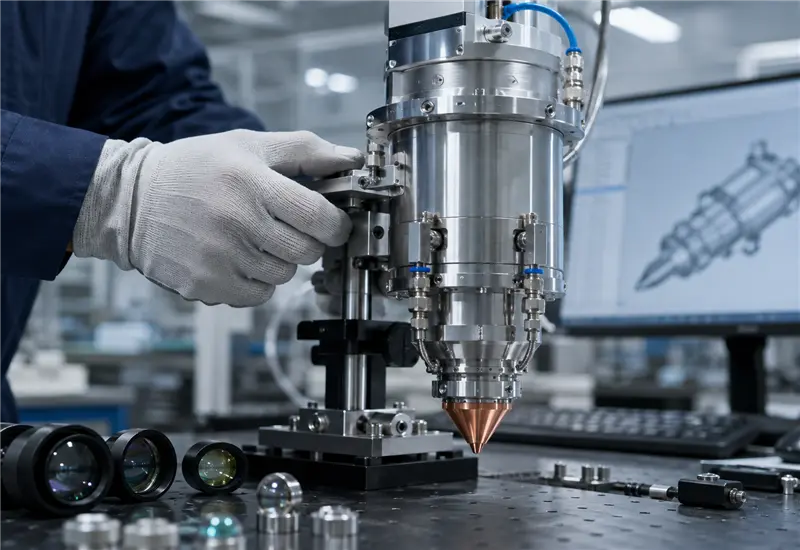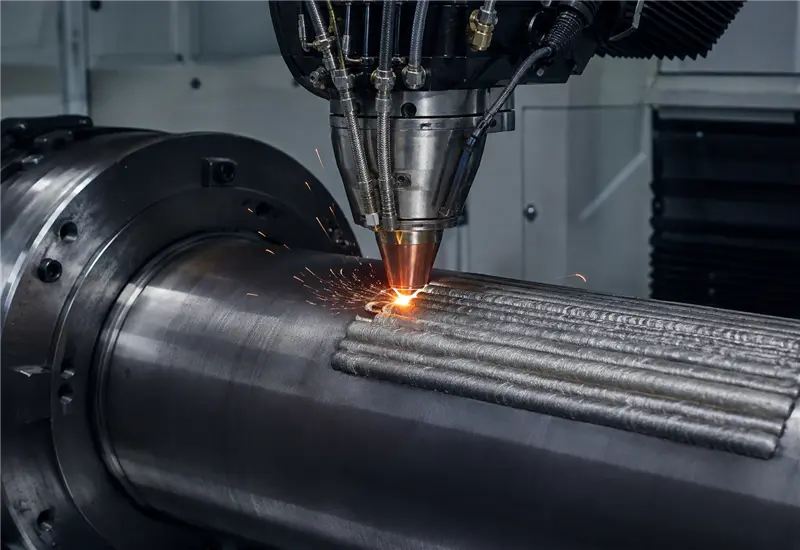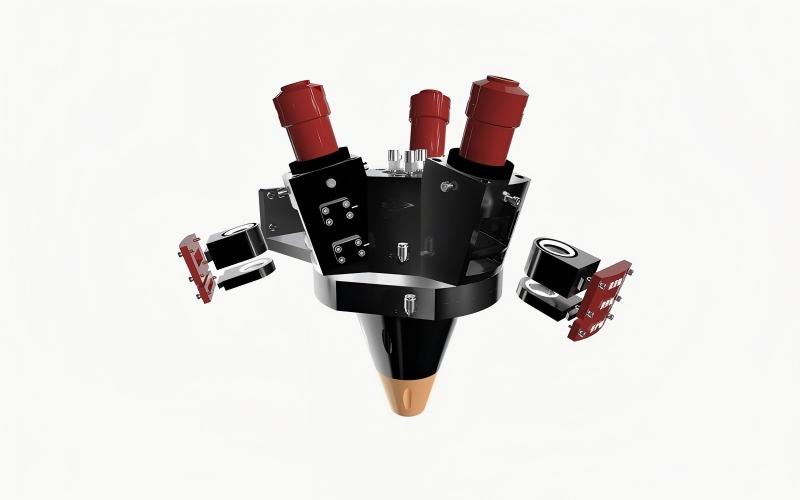
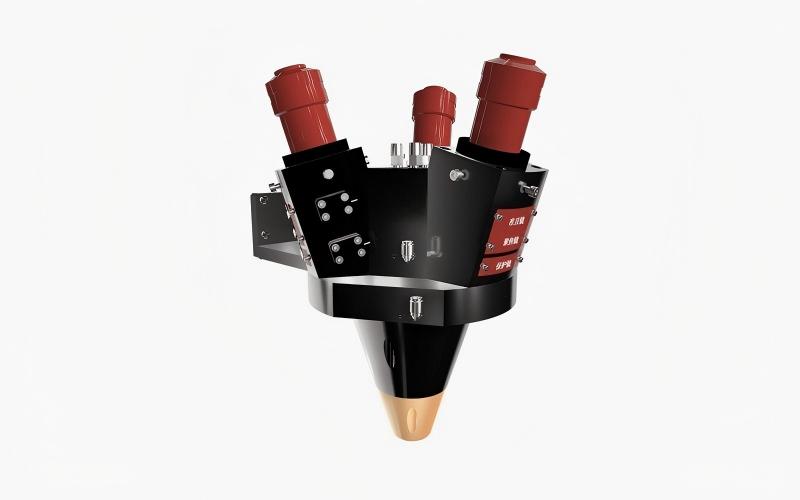
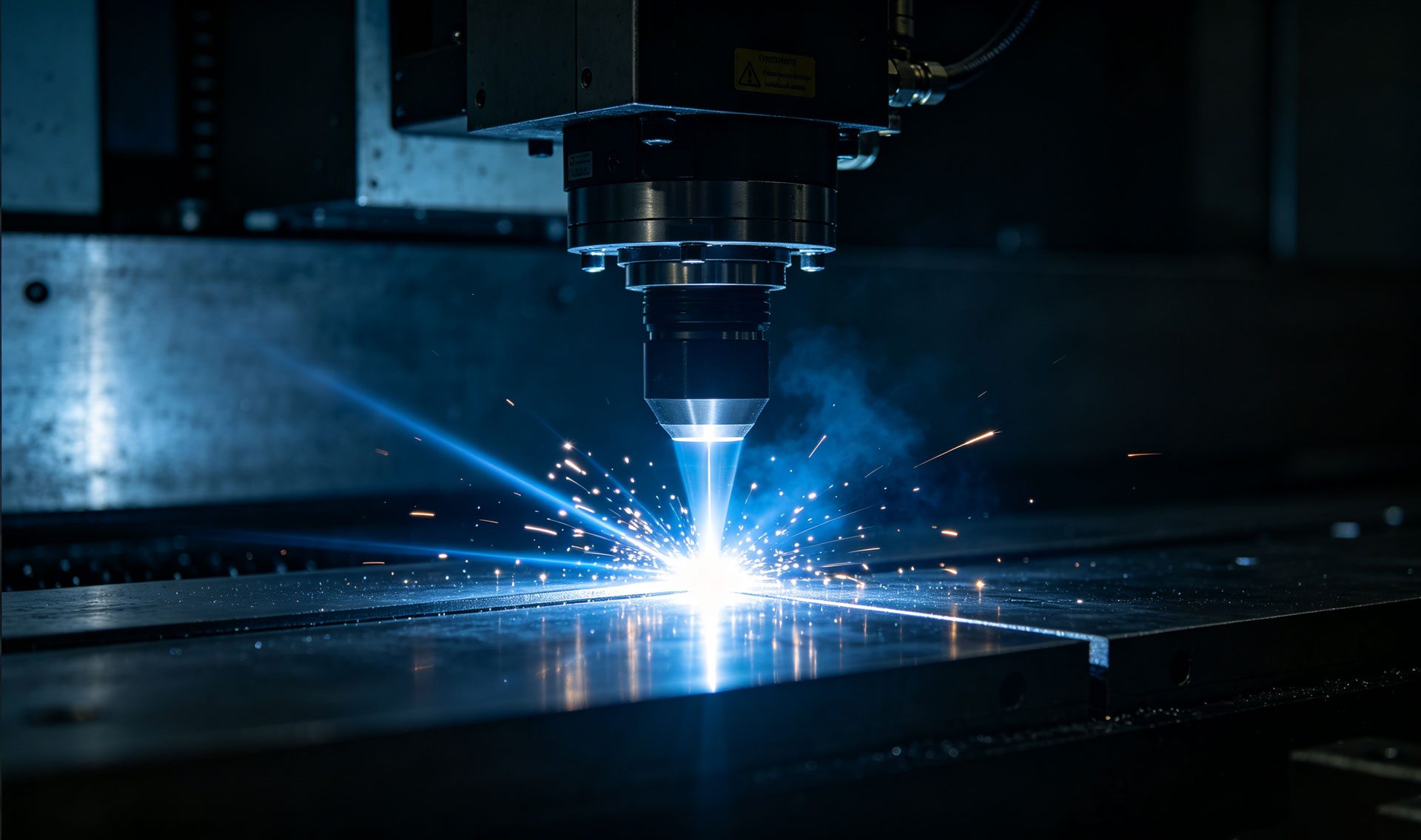
Center-Wire Laser Cladding Head for Multi-Axis Deposition
-
Details
-
Description
-
Spot Quality
Uniformity into a circular shape uniformity of energy distribution directly affects
-
Intelligent Control and Monitoring
Lens temperature, molten pool CCD vision,temperature, powder flow monitoring
-
Material Compatibility
Copper alloy and Titanium alloy, Iron-based, Nickel-based, Cobalt-based and other metal powders
-
Modular Design
The lens system, moritoring system and optical path system operate in a modular manner,making them easy to disassemble, maintain and service
-
Functionality
High-efficiency water cooling, spatter resistant, dustproof, water mist-resistant, low spare parts replacement, frequency sealing rating( e.g., IP65)
-
Safety
Equipped with high-temperature alarm, real-time protection of equipment stability and workpiece cladding quality.



Technical Parameters
| Model | Performance Parameters |
| Power Options | 6KW |
| Fiber Interface | LOE |
| Spot Size | ~ ¢3 |
| Outer Dimension(mm) | 425*270*270 |
| Working Distance(mm) | ~20 |
| Operating Wavelength(nm) | 1080 |
| Cooling Type | Water cooling |
| Water Quality Requirements | Pure water |
Application scenario
Additive manufacturing
Tool steel repair
Mold rebuilding
Thick-wall deposition
Aerospace components
High-strength metal deposition
FAQ
Q1: How does the three-beam central wire feeding design improve cladding quality compared to conventional wire feeding systems?
A1: Unlike conventional off-axis wire feeding systems, this head features three laser beams converging precisely at the wire center, ensuring uniform energy distribution and exceptionally stable deposition
performance. This design reduces spatter, improves wetting, and delivers consistent layer quality. It supports wire diameters from 1.0 mm to 1.8 mm, making it highly versatile for external surface and flat-surface
cladding applications.
Q2: What is the material utilization rate of this central wire feeding cladding head, and how does it compare to powder-based systems?
A2: This central wire feeding system achieves zero wire material loss — every bit of welding wire is melted and deposited onto the workpiece. Unlike powder-based systems which typically lose 5–15% of material due
to overspray, wire feeding offers a more economical and cost-effective cladding solution, especially when using standard, readily available welding wires for industrial repair and surface enhancement.
Application Video
Products
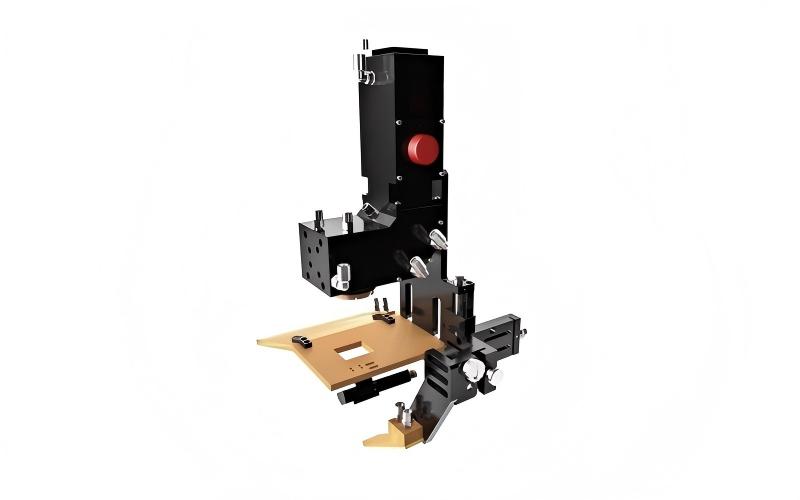
Wide-Track Laser Cladding Optics for OD Surfaces
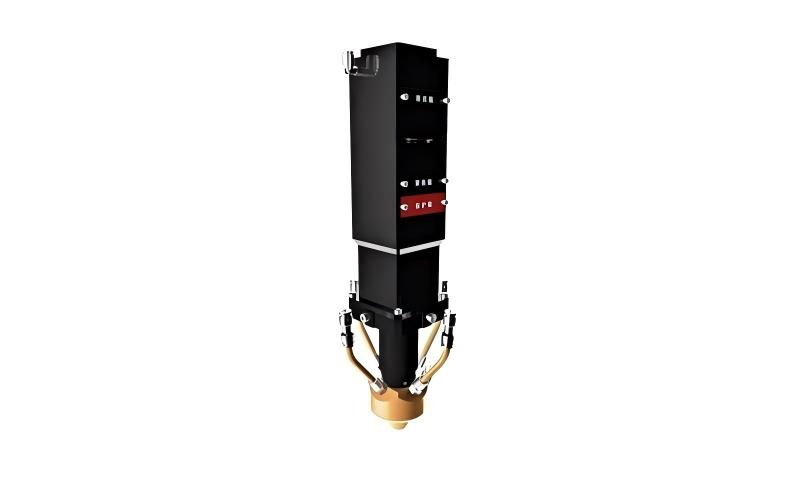
Annular Powder-Fed Laser Cladding Head for OD Components
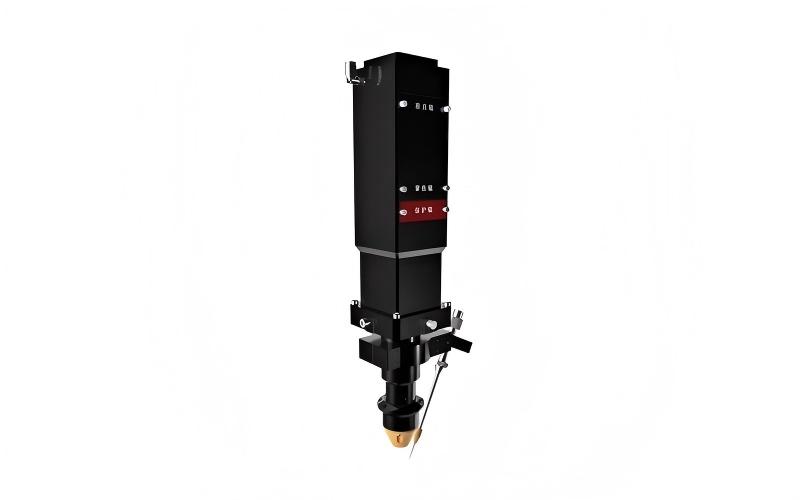
Off-Axis Wire-Fed Laser Cladding Head for OD Repair
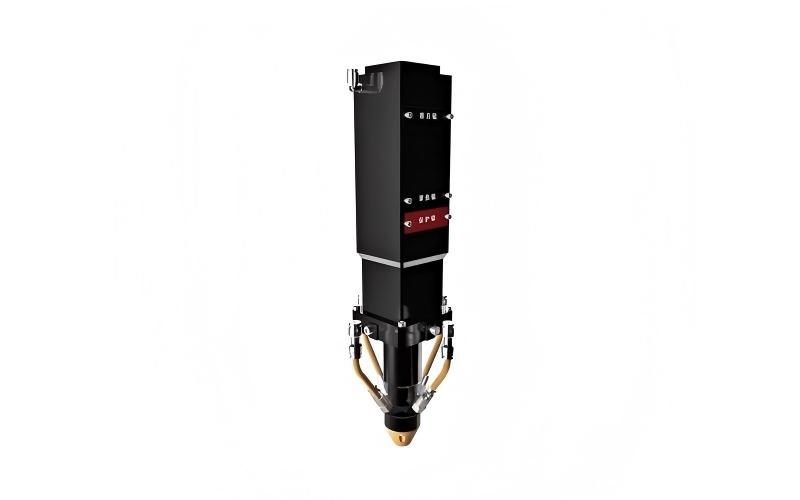
Four-Jet Coaxial Powder Laser Cladding Head
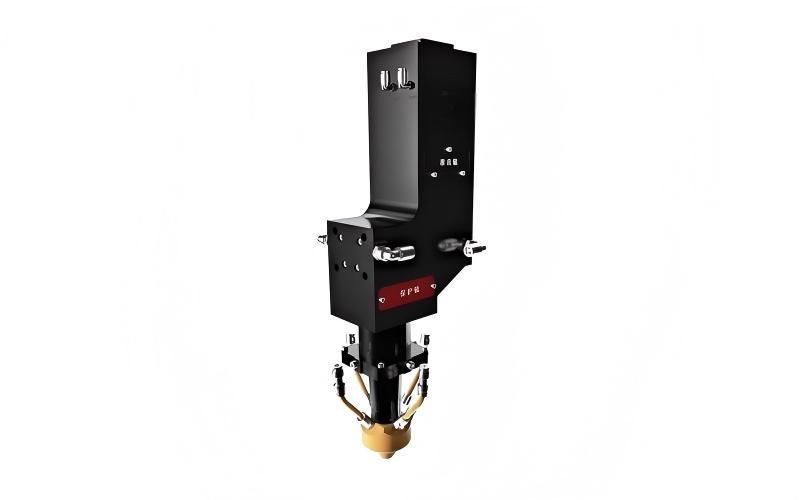
Flat-Top Square Beam Laser Cladding Optics for OD Surfaces
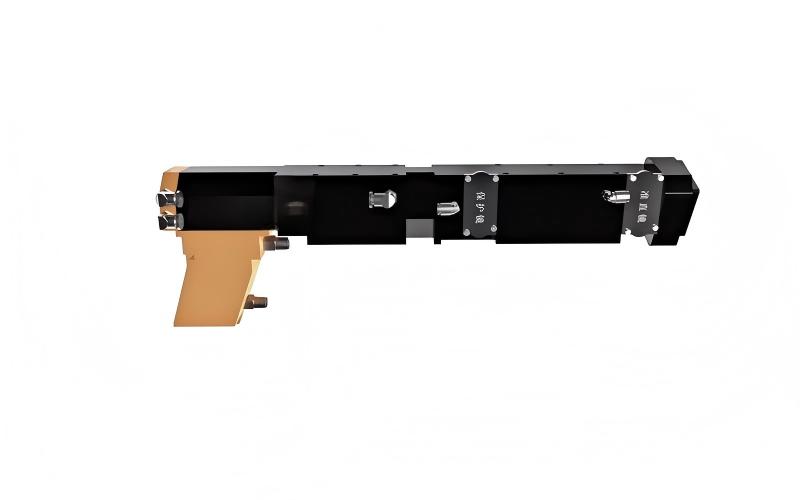
Wide-Track Inner Bore Laser Cladding Head
Recent news

Laser Quenching of Gears: A Paradigm Shift in Surface Strengthening
Aug 5, 2026
How to Select a Laser Cladding Head for Internal Bore Applications
Apr 22, 2026
Powder-Fed vs. Wire-Fed Laser Cladding: Key Selection Factors
Apr 22, 2026
See Latest Service