Laser Quenching of Gears: A Paradigm Shift in Surface Strengthening
-
 admin
admin - 05 Aug, 2026
I. The Industrial Landscape and Current Challenges
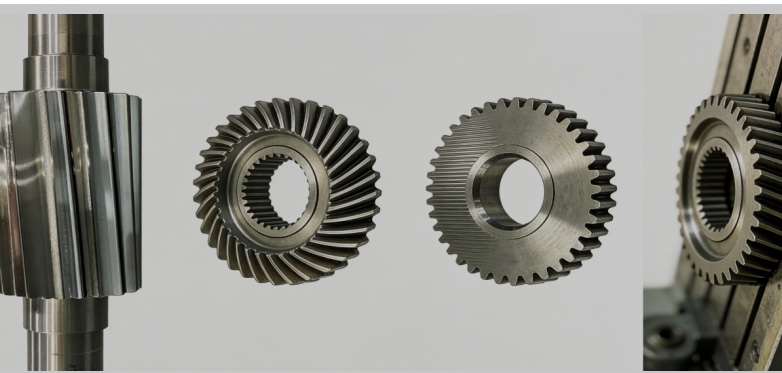
Gears serve as the fundamental components of mechanical transmission systems, directly dictating the reliability and service life of high-end equipment. They are critical to strategic industries such as:
l New Energy Vehicles (NEVs).
l Industrial Robotics.
l Aerospace and Engineering Machinery.
The Failure Bottleneck,During high-speed engagement, gears endure alternating loads, intense friction, and impact. This often leads to fatigue pitting, scuffing, or tooth breakage. While materials like 45# steel, 40Cr, and 20CrMnTi are standard, traditional quenching often fails to balance surface hardness with core toughness, frequently resulting in thermal distortion and uneven hardening. As sectors like NEVs demand higher precision and fatigue resistance, the industry requires a more sophisticated iteration of surface strengthening.
II. Comparative Analysis: Laser vs. High-Frequency Quenching
1. The Pain Points of Traditional Methods
Conventional quenching (e.g., high/medium-frequency induction) relies on rapid heating followed by water or oil cooling. While efficient, it presents several critical drawbacks:
l Uncontrollable Deformation: A wide heat-affected zone (1–5 mm) causes non-uniform heating, leading to distortions of 0.3–1 mm. This necessitates costly secondary processes like grinding or straightening.
l Poor Adaptability: It requires specialized tooling for different gear modules and shapes. Complex structures, such as internal gears or small modules, often suffer from “over-burning” at the tooth tip or insufficient hardening at the root.
l Quality Instability: Hardening depth fluctuates significantly (0.5–3 mm), often resulting in “soft spots”.
l Environmental Impact: The use of cooling media produces hazardous wastewater, failing to meet modern green manufacturing standards.
2. The Strategic Advantages of Laser Quenching
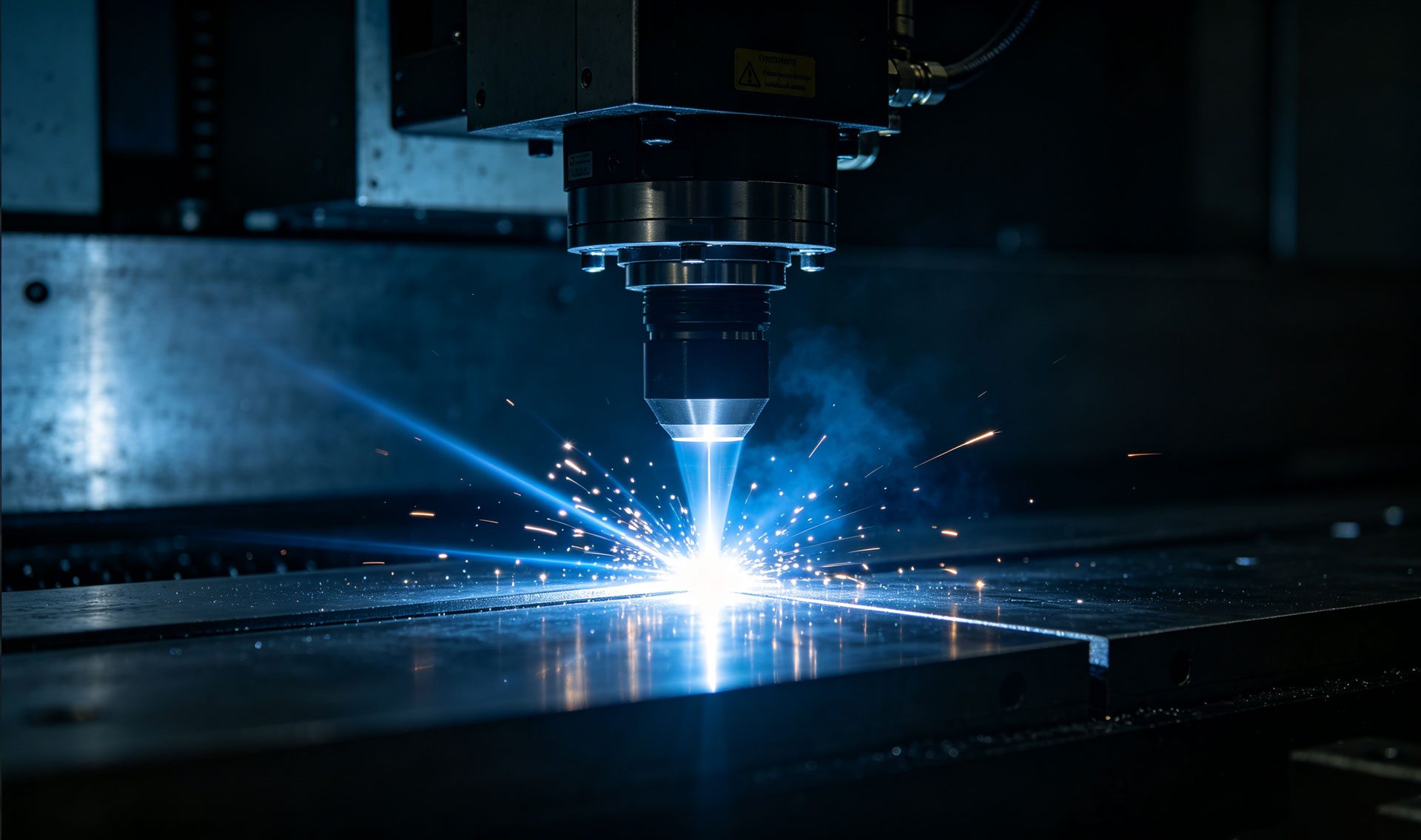
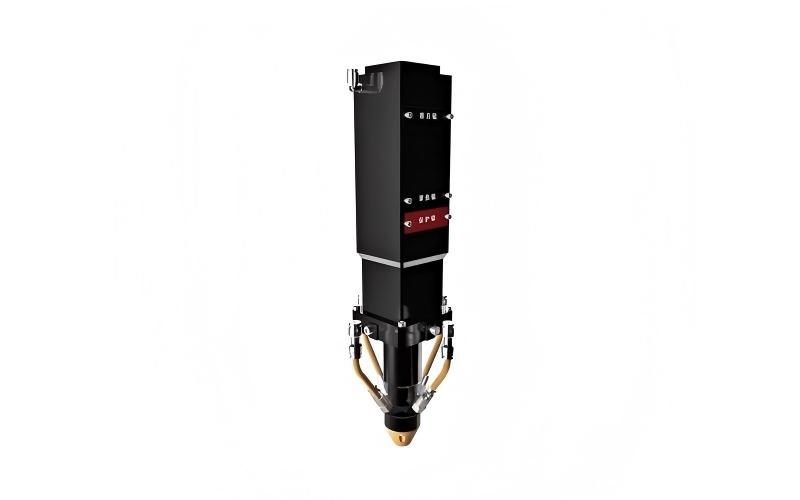
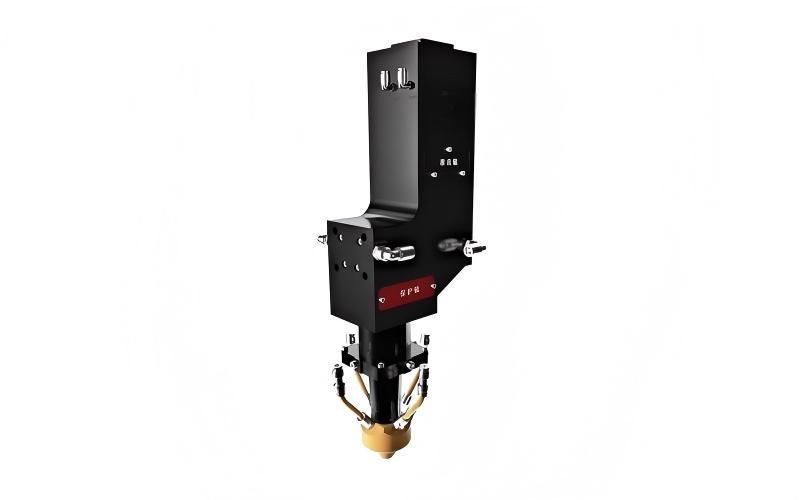
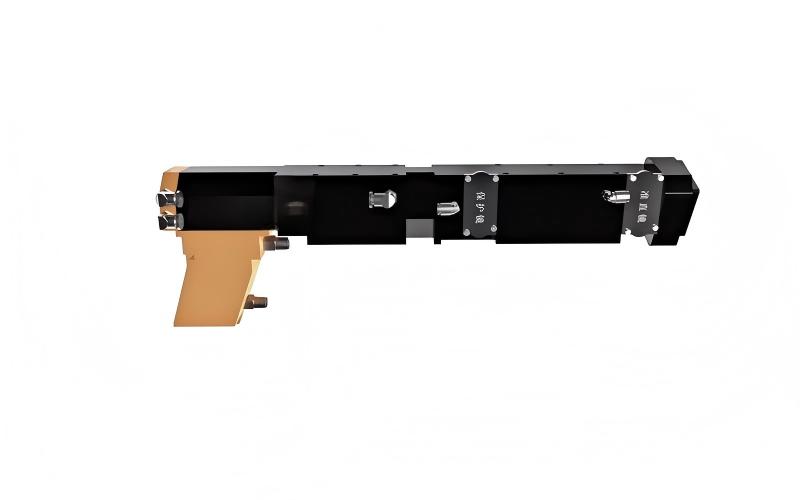
Laser quenching utilizes high-energy density beams (10^3–10^6 W/cm^2) to scan the surface, reaching austenitizing temperatures (800–1200°C) instantaneously. The substrate then acts as its own heat sink, achieving self-quenching through rapid heat conduction.
l Quenching Precision & Deformation Control:Laser quenching enables laser beam focusing to 0.1 mm-level precision. Computer modeling is used to plan scanning paths that precisely conform to complex curved surfaces such as tooth flanks and roots, achieving local selective hardening. The heat-affected zone (HAZ) is only 0.3–1 mm, with deformation controlled to within 0.1 mm. Tooth surface roughness remains nearly unchanged after quenching, eliminating the need for post process gear grinding.
l Hardened Layer Quality & Performance:Laser quenching produces a uniform, dense hardened layer with a high hardness martensitic surface. For 42CrMo steel, surface hardness reaches HRC 58–64 ,4–8 HRC higher than conventional quenching (HRC 50–60) with a consistent hardness gradient. Fatigue resistance is significantly improved compared to traditional processes.
l Adaptability & Flexibility:Laser quenching is compatible with all complex gear types, including spur, helical, bevel, and worm gears. No custom tooling is required, allowing targeted hardening of critical areas (tooth flanks, roots). It readily supports flexible production for small batches and multi item manufacturing. The process can also handle large precision gear rings over 3,000 mm in diameter, filling technical gaps left by conventional methods.
l Environmental & Energy Efficiency:Laser quenching uses no water or oil quenchants,producing no wastewater or emissions — making it an environmentally friendly green process. Energy consumption is also far lower than that of induction hardening.
Conclusion
As high-end manufacturing evolves, laser quenching is becoming the dominant technology for gear reinforcement due to its precision, minimal distortion, and environmental benefits. Moving forward, the integration of Artificial Intelligence and digital twinning will further automate the process, ensuring the self-controllable development of high-precision transmission components.
Tags:
 admin
admin
personal profile
No prev page
Previous Post