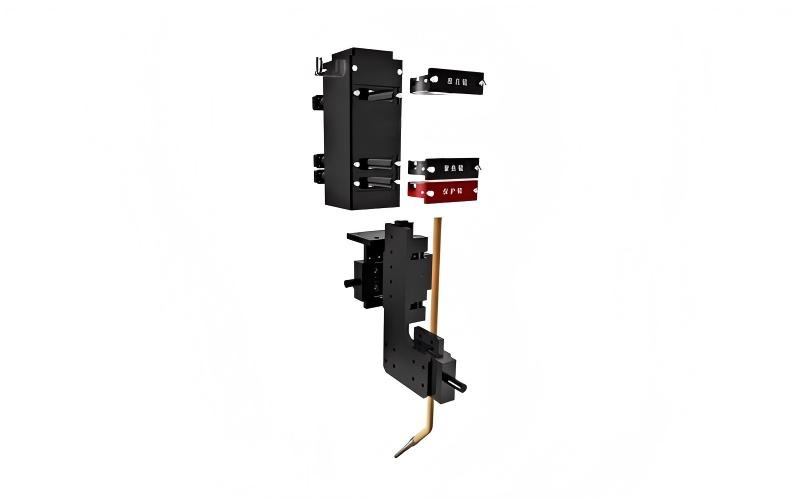
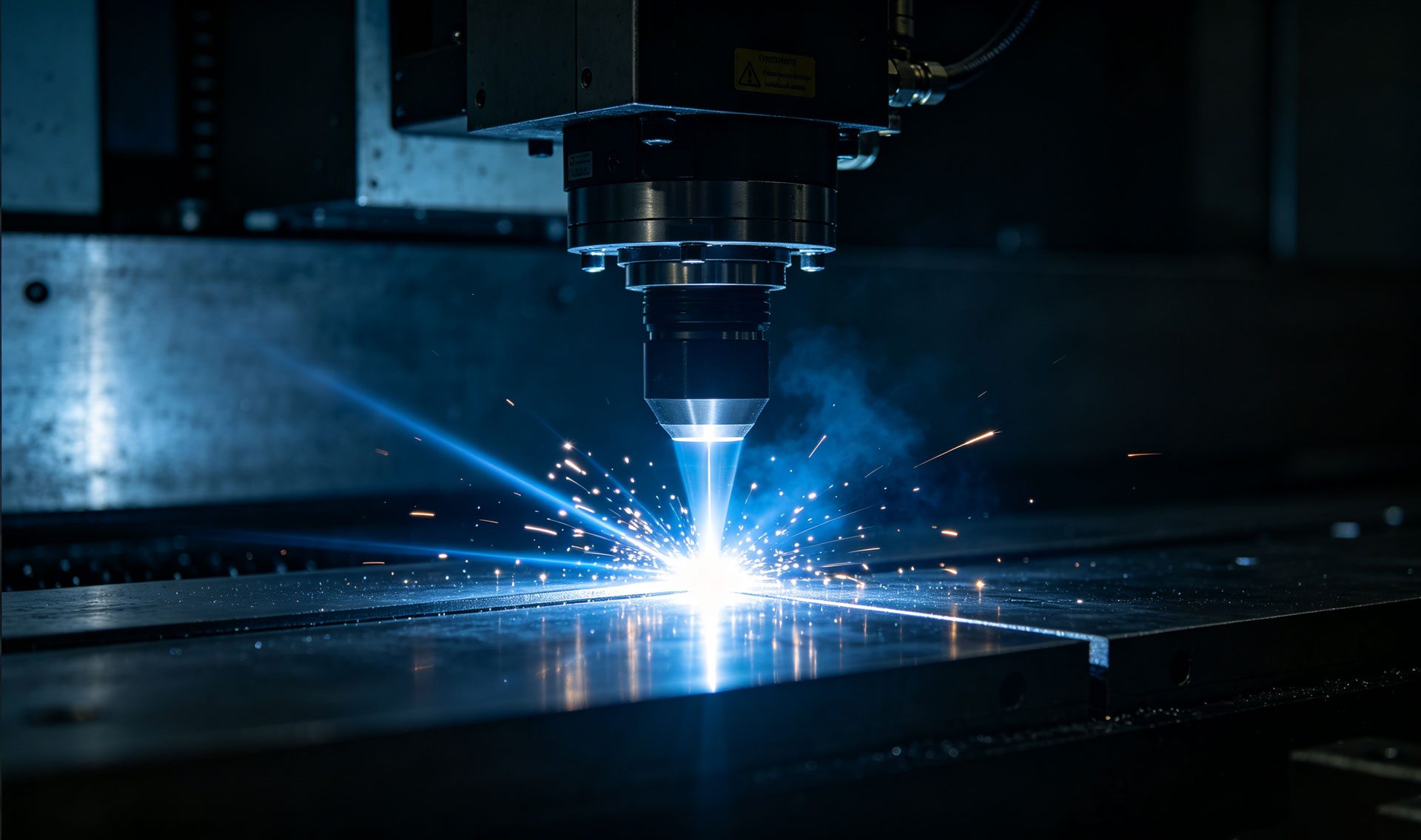
Crankshaft Journal Laser Cladding Head
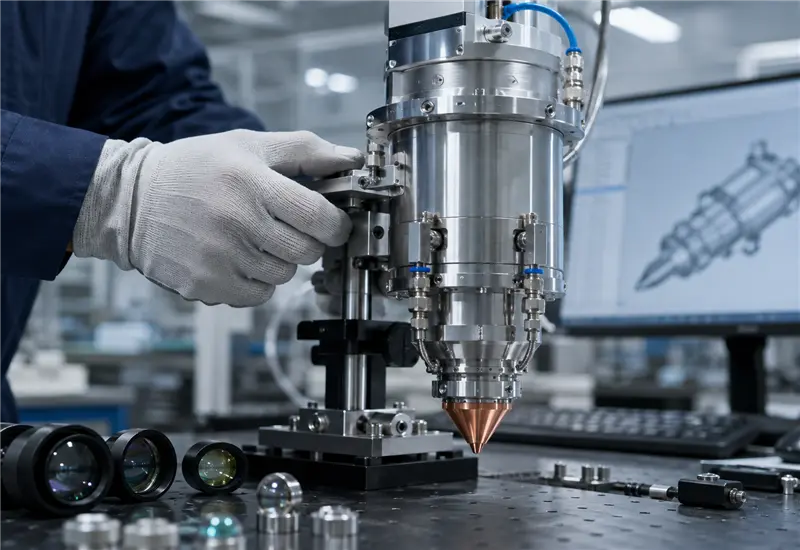
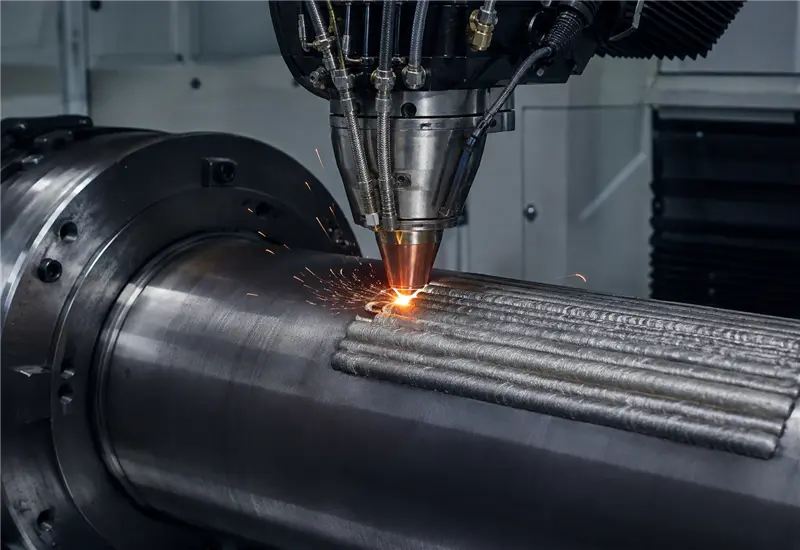
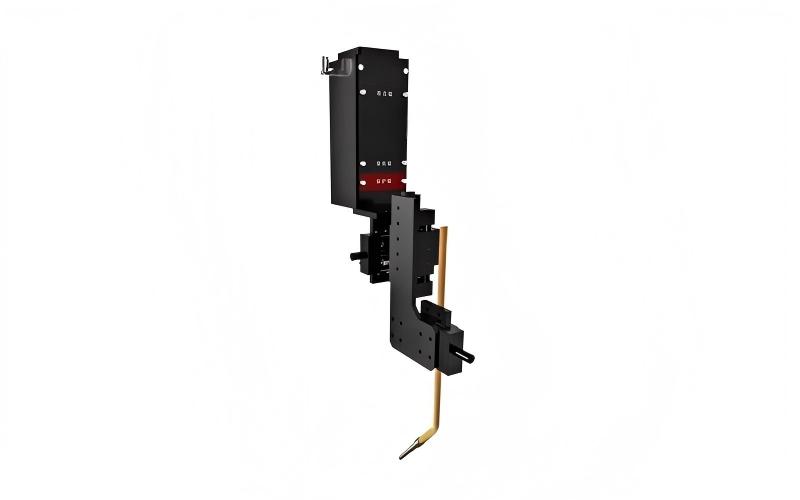
Featuring an off-axis powder feeding design that delivers powder precisely to the melt pool center, it integrates seamlessly with robotic automation for efficient operation. Powder utilization exceeds 90%, producing low-distortion, smooth cladding layers. Compatible with various corrosion-resistant powders, it meets diverse crankshaft performance and environmental requirements.
-
Details
-
Description
-
Spot Quality
Uniformity into a circular shape uniformity of energy distribution directly affects
-
Intelligent Control and Monitoring
Lens temperature, molten pool CCD vision,temperature, powder flow monitoring
-
Material Compatibility
Copper alloy and Titanium alloy, Iron-based, Nickel-based, Cobalt-based and other metal powders
-
Modular Design
The lens system, moritoring system and optical path system operate in a modular manner,making them easy to disassemble, maintain and service
-
Functionality
High-efficiency water cooling, spatter resistant, dustproof, water mist-resistant, low spare parts replacement, frequency sealing rating( e.g., IP65)
-
Safety
Equipped with high-temperature alarm, real-time protection of equipment stability and workpiece cladding quality.



Technical Parameters
| Model | Performance Parameters |
| Power Options | 6KW |
| Fiber Interface | LOE/QBH |
| Spot Size | ~ ¢6.5 |
| Outer Dimension(mm) | 310*210*75 |
| Working Distance(mm) | ~400 |
| Operating Wavelength(nm) | 1080 |
| Cooling Type | Water cooling |
| Water Quality Requirements | Pure water |
Application scenario
Crankshaft journals
Camshafts
Engine shafts
Marine diesel shafts
Automotive powertrain repair
Rotating engine components
FAQ
Q1: Why is a specialized laser cladding head required for crankshafts compared to standard cylindrical components?
A1: Crankshafts have complex geometries with varying elevations, journals, and fillets. A standard cladding head can lose consistent energy density when slightly defocused, leading to uneven coating quality. This
crankshaft-specific head maintains a uniform beam profile and consistent energy density even across varying surface heights — ensuring uniform processing quality on every journal and radius without
manual adjustment.
Q2: What is the powder utilization rate of this crankshaft cladding head, and what corrosion-resistant materials does it support?
A2: This head achieves powder utilization exceeding 90% thanks to its off-axis powder feeding design that delivers powder precisely to the melt pool center — minimizing waste on high-value crankshafts. It is
compatible with various corrosion-resistant powders including iron-based, nickel-based, cobalt-based, and copper alloys, allowing you to meet diverse crankshaft performance requirements for marine,
automotive, and power generation applications.
Products
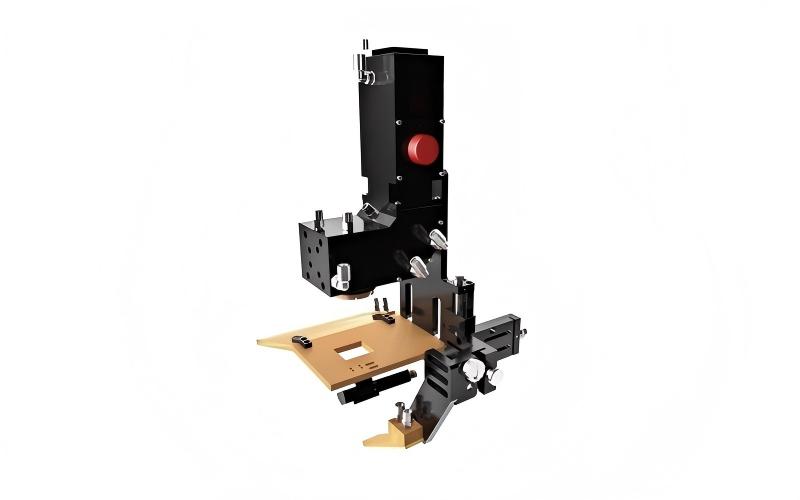
Wide-Track Laser Cladding Optics for OD Surfaces
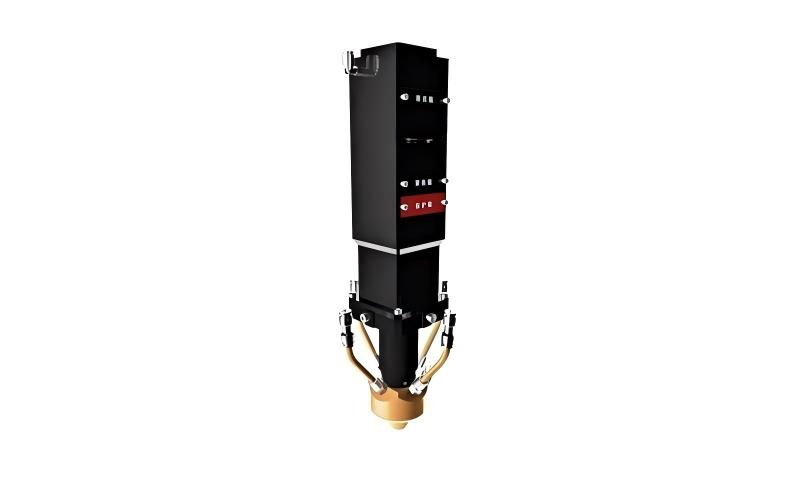
Annular Powder-Fed Laser Cladding Head for OD Components
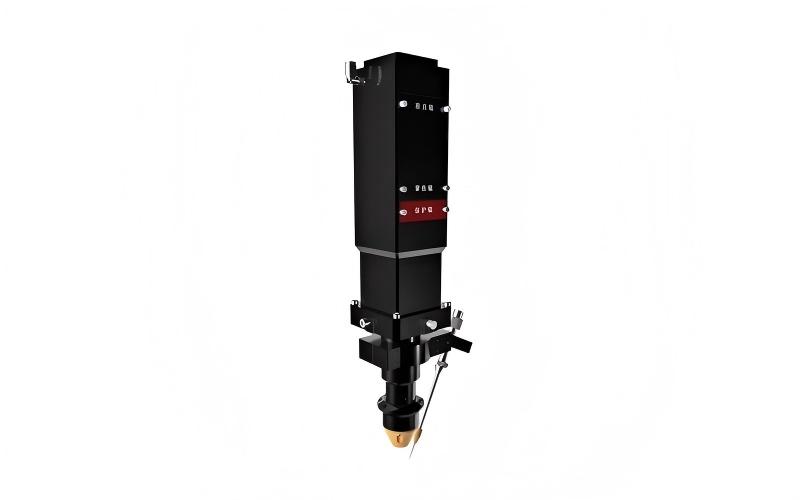
Off-Axis Wire-Fed Laser Cladding Head for OD Repair
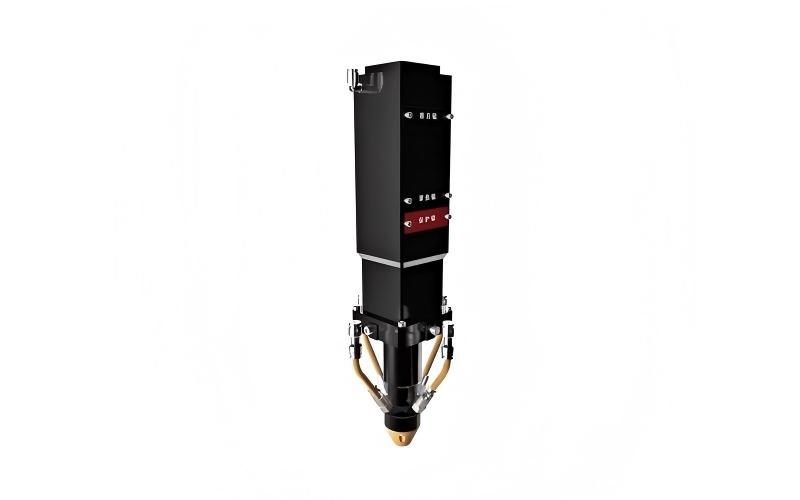
Four-Jet Coaxial Powder Laser Cladding Head
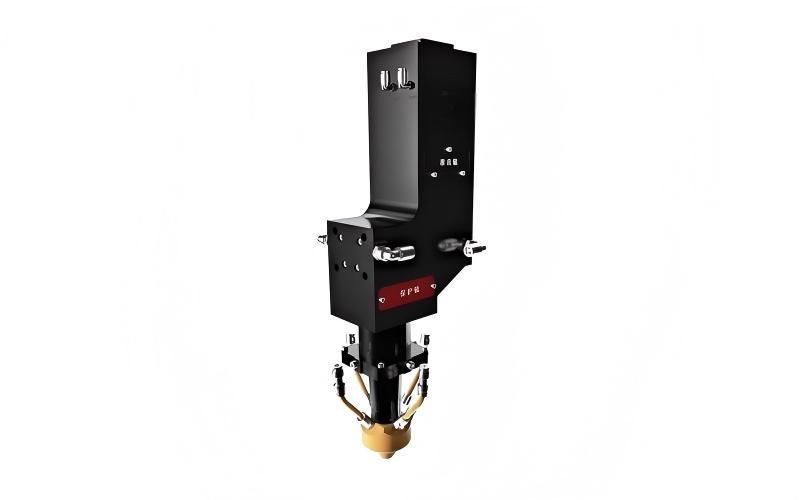
Flat-Top Square Beam Laser Cladding Optics for OD Surfaces
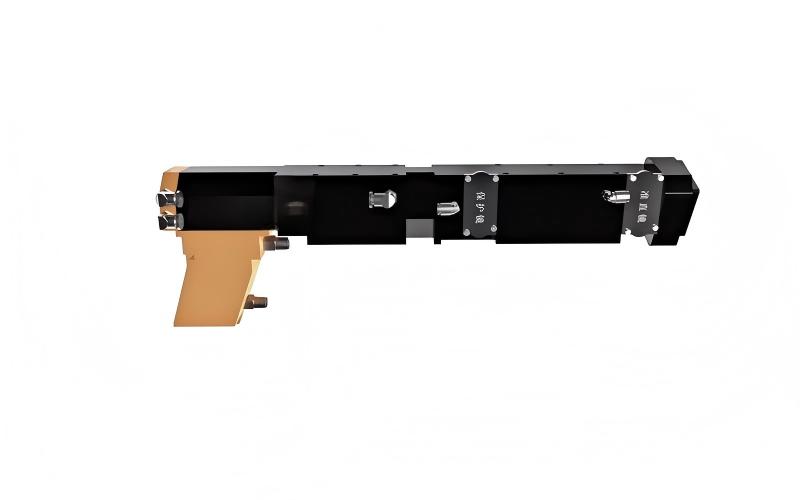
Wide-Track Inner Bore Laser Cladding Head
Recent news

Laser Quenching of Gears: A Paradigm Shift in Surface Strengthening
Aug 5, 2026

How to Select a Laser Cladding Head for Internal Bore Applications
Apr 22, 2026
Powder-Fed vs. Wire-Fed Laser Cladding: Key Selection Factors
Apr 22, 2026
See Latest Service