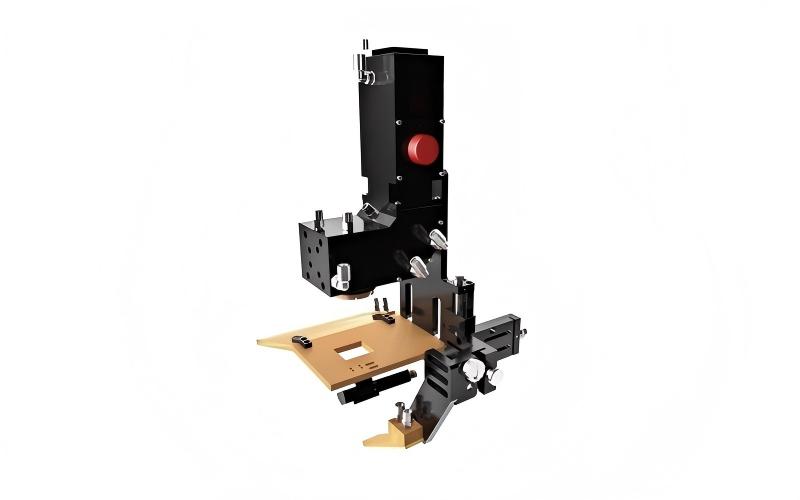
Auto-Zoom Variable Spot Laser Hardening Head

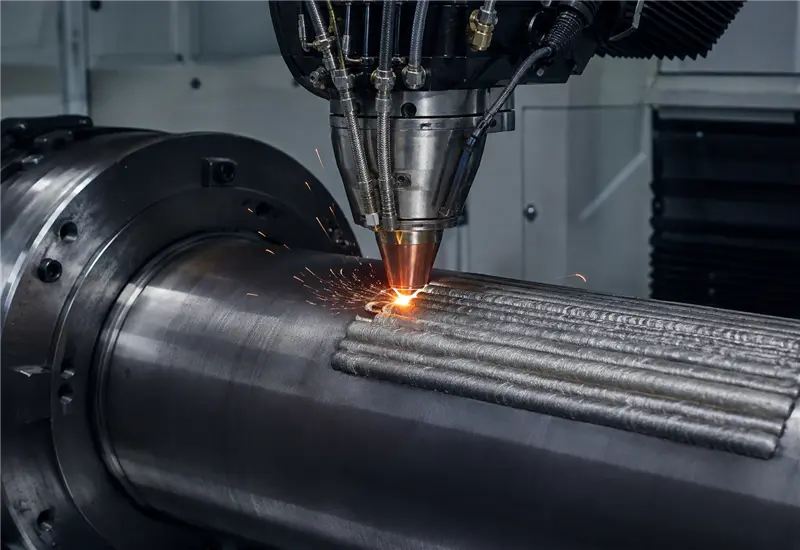
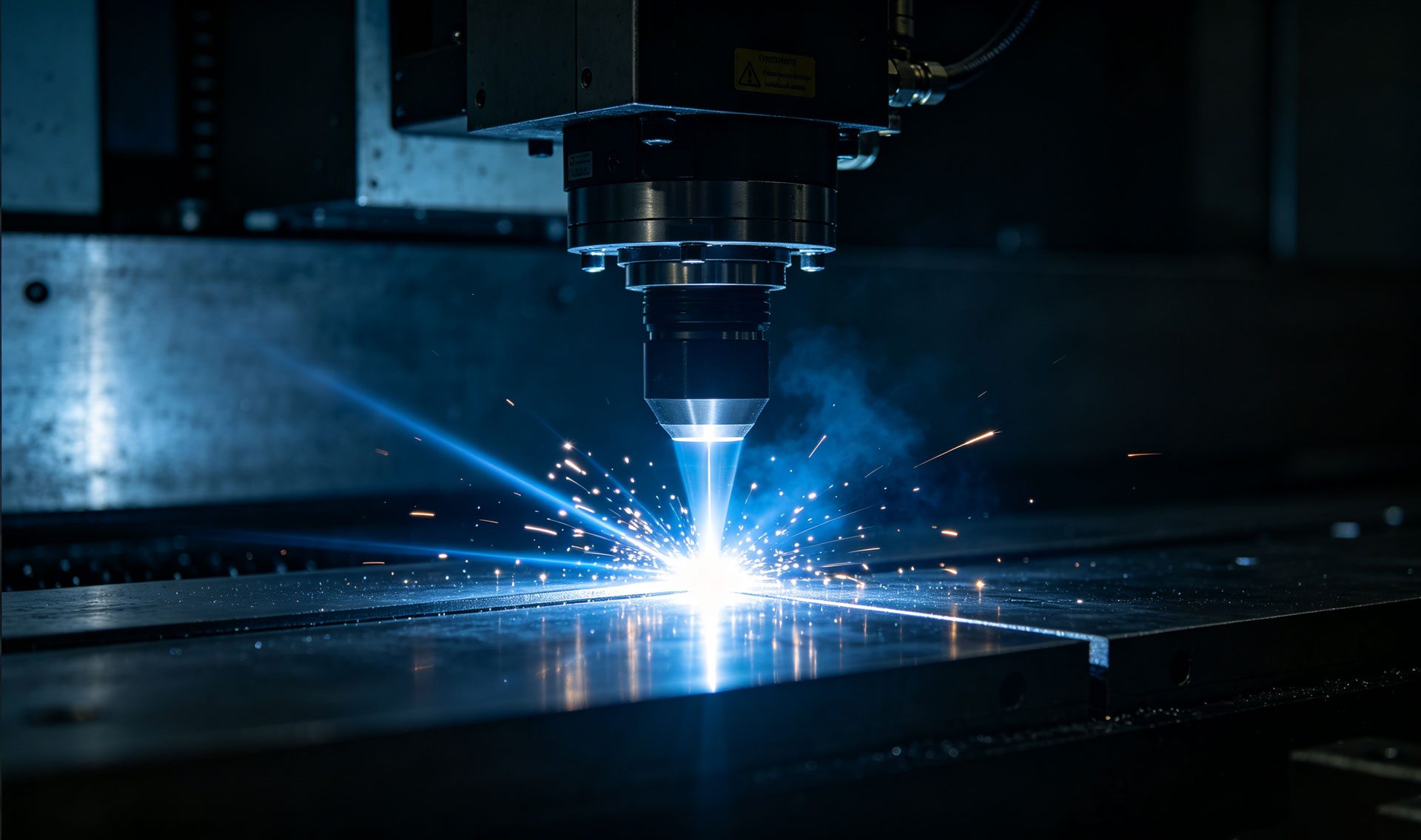
The Variable Beam Laser Hardening Head features an automatic zoom system that continuously adjusts the beam size to match the geometry of the workpiece. It adapts to curved, tapered, and irregular surfaces, making it ideal for complex-shaped components, large conical surfaces, and selective hardening areas. Hardening depths of up to 2 mm can be achieved, with full-surface or selective-area options. Distortion is tightly controlled within 0.03 mm, and no post-processing or dimensional changes are required. This head provides a smart, high-precision laser hardening solution for components with challenging geometries.
  • Safety

    Equipped with high-temperature alarm, real-time protection of equipment stability and workpiece cladding quality.

    Variable Beam Laser Hardening Head
  • Intelligent Control and Monitoring

    Lens temperature, molten pool CCD vision,temperature, powder flow monitoring

    Variable Beam Laser Hardening Head
  • Material Compatibility

    Copper alloy and Titanium alloy, Iron-based, Nickel-based, Cobalt-based and other metal powders
    Variable Beam Laser Hardening Head
  • Functionality

    High-efficiency water cooling, spatter resistant, dustproof, water mist-resistant, low spare parts replacement, frequency sealing rating( e.g., IP65)
    Variable Beam Laser Hardening Head
  • Modular Design

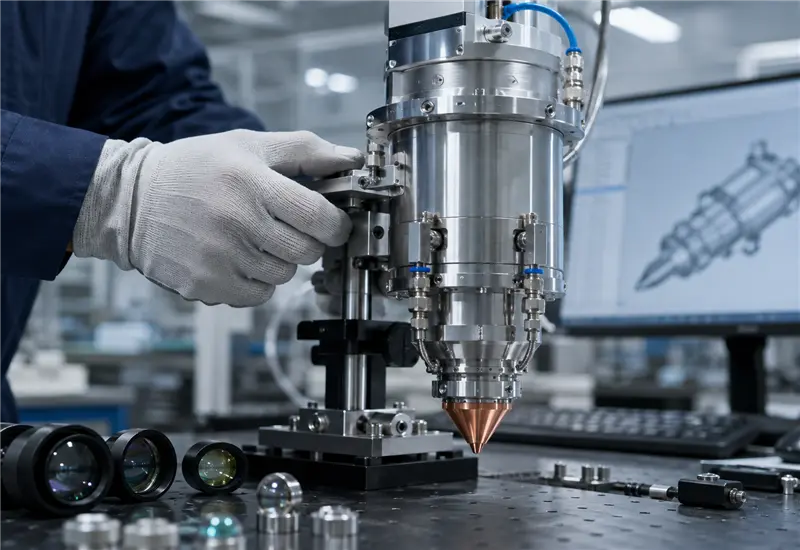
    The lens system, moritoring system and optical path system operate in a modular manner,making them easy to disassemble, maintain and service
    Variable Beam Laser Hardening Head
  • Spot Quality

    Uniformity into a circular shape uniformity of energy distribution directly affects
    Variable Beam Laser Hardening Head

Technical Parameters

Model Performance Parameters
Power Options 6KW
Spot size at focus(mm) 15~50Variable
Focal Length(mm) ~260
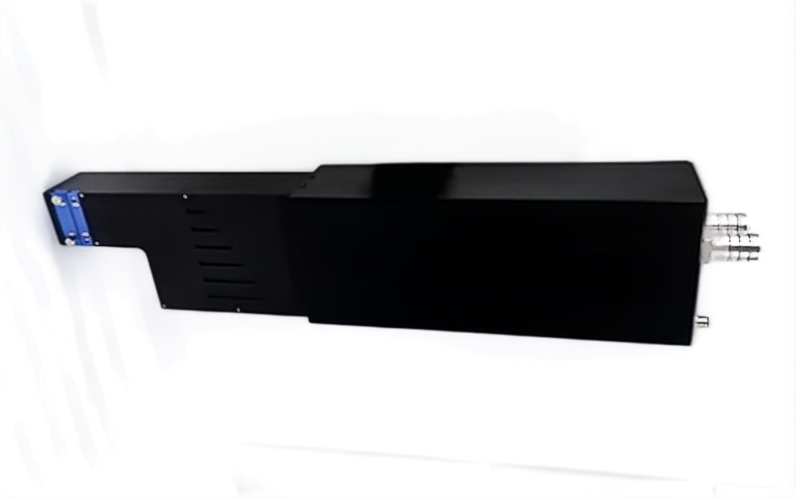
Outer Dimension(mm) 550*140*95
Working Distance(mm) 9xx
Photoelectric Conversion Efficiency (%) ≥60
Cooling Type Water cooling
Water Quality Requirements Pure water

Application scenario

Gears, sprockets, and transmission components requiring flexible laser hardening across different tooth profiles.

Shafts, crankshafts, and camshafts with varying diameters requiring adaptive spot size control.

Guide rails, machine ways, and sliding surfaces requiring uniform hardening over different widths.

Molds, dies, and tooling components with complex geometries requiring precise localized heat treatment.

Engineering machinery, mining equipment, and heavy-duty wear parts requiring selective surface hardening on irregular profiles.

Multi-size production lines requiring rapid beam adjustment for high-efficiency laser hardening without changing optical components

FAQ

Q1: How does the automatic zoom system work, and what types of workpiece geometries can it handle?

A1: The automatic zoom system continuously adjusts the beam size in real time to match the geometry of the workpiece. This allows the head to adapt seamlessly to curved, tapered, and irregular surfaces — making it         ideal for complex-shaped components, large conical surfaces,and selective hardening areas where conventional fixed-beam heads would require multiple passes or manual repositioning.

Q2: What level of distortion can I expect with this variable beam hardening head, and is post-processing required?

A2: This head delivers distortion tightly controlled within 0.03 mm — significantly better than conventional hardening methods. No post-processing or dimensional adjustments are required after hardening, as the             process preserves the original component dimensions and surface finish. This makes it ideal for high-precision components such as crankshafts, drive shafts, hydraulic plungers, and tapered rollers where tight               tolerances are critical.

Application Video

Products
Wide Track Laser Cladding Optics for OD Surfaces (1)
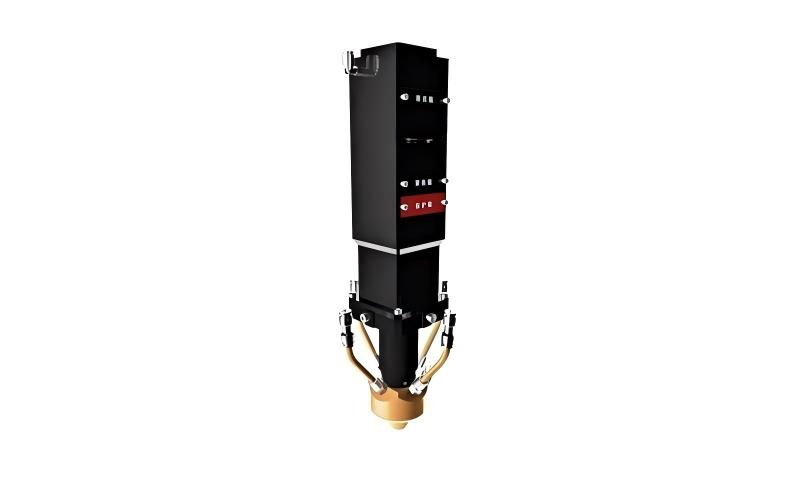
Wide-Track Laser Cladding Optics for OD Surfaces

Wide-track laser cladding optics for OD shafts, pipes and flat parts, using off-axis gravity powder feed with powder utilization up to 98%.
Annular Powder Fed Laser Cladding Head for OD Components (1)
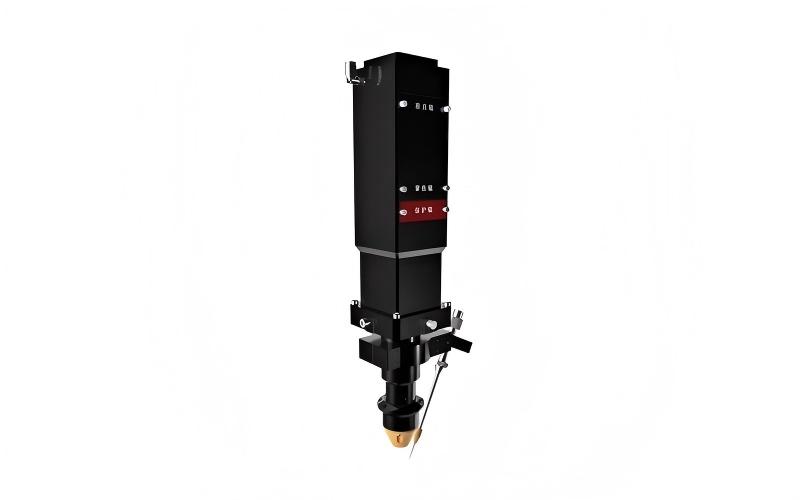
Annular Powder-Fed Laser Cladding Head for OD Components

Annular powder-fed cladding head for cylindrical OD parts, delivering stable circular deposition, over 90% powder utilization and carbide layers up to 70 HRC.
Off Axis Wire Fed Laser Cladding Head for OD Repair (1)

Off-Axis Wire-Fed Laser Cladding Head for OD Repair
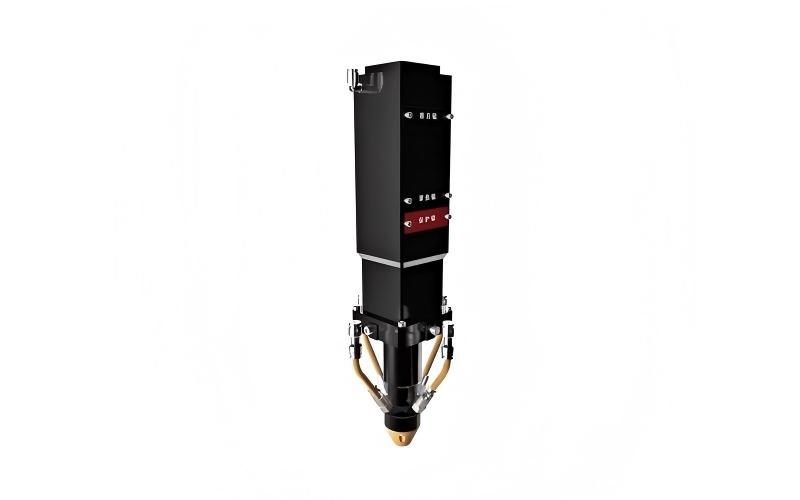
Wire-fed laser cladding head for OD repair and surface buildup, with 100% filler utilization, low distortion and compatibility with multiple alloy wires.
Four Jet Coaxial Powder Laser Cladding Head (1)

Four-Jet Coaxial Powder Laser Cladding Head
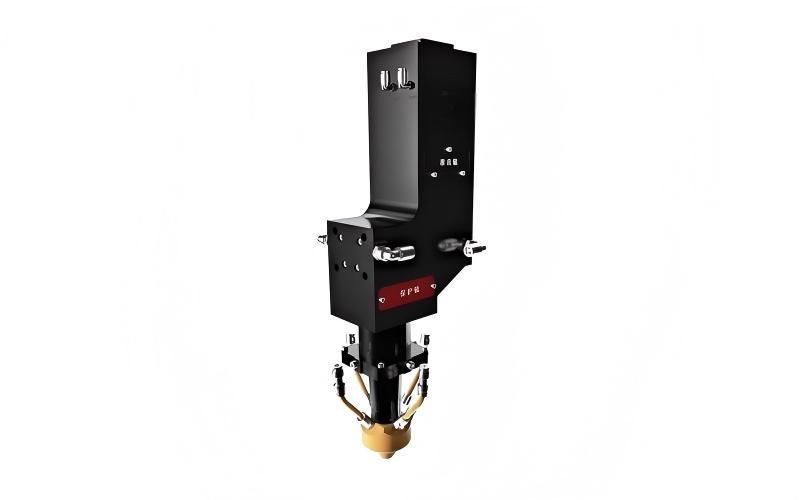
Four-jet coaxial powder head for multi-directional laser cladding on OD and complex surfaces, combining stable deposition with powder utilization of at least 90%.
Flat Top Square Beam Laser Cladding Optics for OD Surfaces (1)
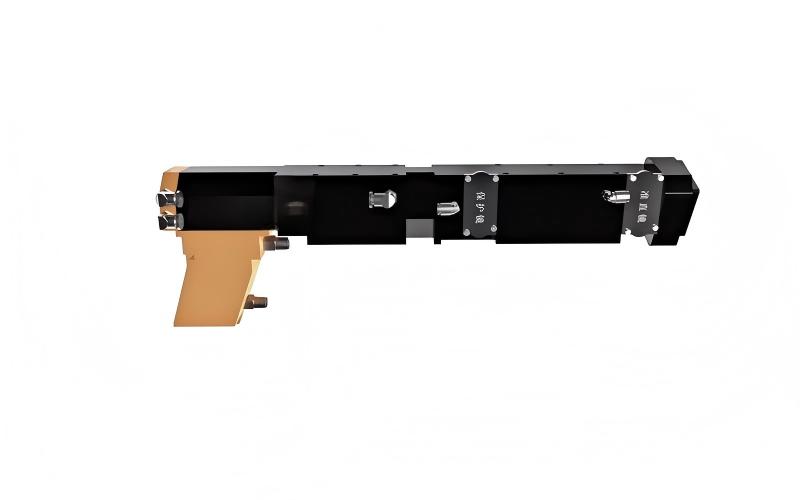
Flat-Top Square Beam Laser Cladding Optics for OD Surfaces

Square flat-top beam optics for OD laser cladding, designed for even energy distribution, high coating flatness and powder utilization of at least 90%.
Wide Track Inner Bore Laser Cladding Head (1)

Wide-Track Inner Bore Laser Cladding Head

Wide-track inner bore cladding head with a uniform rectangular beam and off-axis material feed, achieving powder utilization of at least 95% for ID surfaces.

Recent news

Laser Quenching of Gears A Paradigm Shift in Surface Strengthenin

Laser Quenching of Gears: A Paradigm Shift in Surface Strengthening

Aug 5, 2026
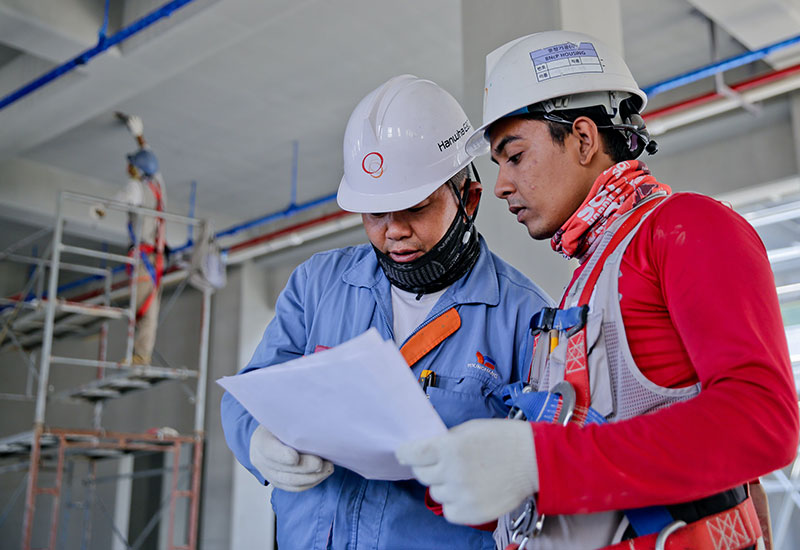
The mechanical transmission industry is undergoing a significant transformation. As high-end equipment moves toward lightweight designs and extreme precision, traditional hardening methods are reaching their physical limits. This report analyzes the transition from conventional induction quenching to laser quenching technology highlighting its technical advantages and economic impact.
READ MORE
case1

How to Select a Laser Cladding Head for Internal Bore Applications

Apr 22, 2026
Selection depends on bore diameter, processing depth, working distance, laser power, spot geometry, material delivery and heat-management requirements.
READ MORE
LZ

Powder-Fed vs. Wire-Fed Laser Cladding: Key Selection Factors

Apr 22, 2026

Compare deposition flexibility, material utilization, surface geometry, process stability, feedstock availability and integration requirements before choosing powder or wire.
READ MORE

See Latest Service

Application & Process Evaluation

We evaluate the workpiece, base material, target coating and production requirements to define a practical laser cladding route and equipment configuration.
LEARN MORE

Custom Optical Head Design

Custom processing heads and beam-shaping optics for internal bores, external surfaces, powder-fed deposition, wire-fed deposition and laser hardening.
LEARN MORE

Cladding Process Development

Parameter development and sample testing focused on deposition efficiency, dilution, coating quality, dimensional control and repeatability.
LEARN MORE
contact man

Contact us

    Products
    Contacts
    WhatsApp
    Email